Consejos de SEO

What are Page Optimizations and Why Are They Critical for Modern SEO and AI Search?

Page optimizations are the steps you take to help your webpages rank higher in both traditional search engines and modern AI-driven search results. Today, page optimization extends far beyond keywords—it's…

Kevin McLauchlin Written by Kevin McLauchlin junio 11, 2026 6 min read
Leer el artículo
Page Optimizations
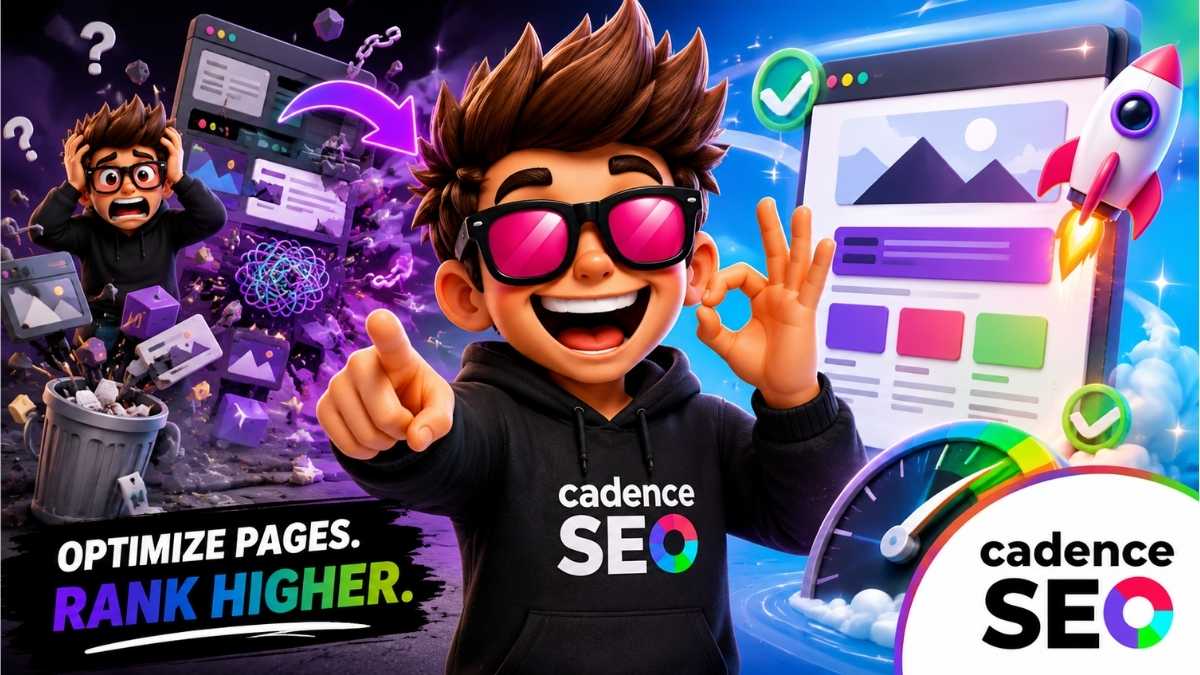
Page optimizations are the steps you take to help your webpages rank higher in both traditional search engines and modern AI-driven search results. Today, page optimization extends far beyond keywords—it’s about building a site that is relevant, trustworthy, and easy for both humans and machines to understand. Modern SEO emphasizes semantic relevance, content depth, and user experience, which are more important than ever for how your content is interpreted and prioritized by large language models (LLMs) and AI-powered search tools. For example, well-structured content with clear navigation and meaningful internal linking helps both search engines and AI systems understand relationships between topics and surface your site for a wider range of relevant queries. Page optimization also means incorporating structured data (schema markup), clear site architecture, mobile-friendliness, and accessibility. By providing additional context through schema, you make it easier for AI systems to extract and feature your content in voice search, featured snippets, and other rich results. All these elements not only build trust with customers but also help search engines and AI systems interpret and recommend your content more accurately. Other critical optimization factors include compelling headlines, optimized HTML tags, fast page load times, and image optimization. In this article, we’ll cover modern tactics that help your website perform for both people, search engines, and AI-powered discovery—and why these strategies are essential to staying ahead in today’s digital landscape.

1. E-A-T-T

Google now uses the E-A-T-T framework—Expertise, Authoritativeness, Trustworthiness, and Transparency—as its modern standard for evaluating webpages and websites. High-quality, transparent, and useful content isn’t just helpful for users—it’s a powerful signal to search engines and AI models that your site can be trusted as a source of accurate, up-to-date information. Optimizing for E-A-T-T means:
    • Showcasing your credentials or experience (Expertise)
    • Demonstrating thought leadership and depth (Authoritativeness)
    • Backing up claims with sources and facts (Trustworthiness)
    • Being open about your content’s creation, authors, and sources (Transparency)
As Google’s algorithms and AI search tools become more sophisticated, maximizing E-A-T-T ensures your site is discoverable, credible, and resilient to changes in ranking factors. It also increases the likelihood your content will be selected for AI-generated answers, featured snippets, and voice search results.

2. Title Tag

The title tag of a webpage tells users, search engines, and AI-driven systems what to expect from your content. This essential HTML tag appears in the head section of each page and is displayed prominently in search results. A clear, unique, and descriptive title tag not only boosts click-through rates but also helps AI and LLM-powered tools understand and categorize your content accurately. Issues like duplicate or missing title tags can reduce your visibility in both search engines and AI-powered recommendations.

3. Meta Description

Meta descriptions, usually displayed under the page title in search results, are key for enticing users to click through to your website. Well-written meta descriptions also provide valuable context to AI search tools and LLMs, helping them determine the relevance of your page for specific queries. Accurate and compelling meta descriptions can improve both your click-through rates and the extent to which your content is recommended by advanced AI systems.

4. Header Tags

Header tags (H1, H2, H3, etc.) structure your content for both human readers and search engines, improving readability and accessibility. Modern SEO also recognizes that clear header hierarchies help AI search tools and LLMs parse, summarize, and surface your content in response to conversational queries. Using relevant keywords and descriptive phrases in your headers boosts your visibility in both traditional and AI-powered search environments.

5. SEO Writing

SEO writing today is about much more than inserting keywords—it’s about creating genuinely helpful, original content that satisfies user intent and answers questions thoroughly. This includes:
    • Covering topics in depth with supporting details and examples
    • Addressing related subtopics and common follow-up questions
    • Using natural language that matches how real people search and speak
    • Creating content that is easy to scan with clear headings, bullet points, and concise summaries
Search engines and AI models increasingly reward content that demonstrates topical authority, answers questions clearly, and makes semantic connections between relevant ideas. By anticipating what users want to know and delivering it comprehensively, you increase your chances of ranking for both broad and long-tail queries, as well as being featured in AI-generated summaries and answer boxes.

6. Keyword Cannibalization

Keyword Cannibalization occurs when multiple pages on your site target the same or very similar keywords, causing them to compete with each other in search engine results. This can dilute your ranking power and confuse both search engines and AI models about which page is most relevant for a given query. To fix keyword cannibalization, regularly audit your website to:
    • Consolidate overlapping content
    • Merge or redirect duplicate pages
    • Refine keyword targeting by assigning unique focus topics to each page
Addressing cannibalization not only boosts your SEO performance but also helps AI systems more accurately recommend the best page for a user’s intent.

7. Content Audit

Regularly reviewing your existing content ensures it remains relevant, accurate, and authoritative. A thorough content audit today should also include:
    • Checking for broken links and outdated statistics
    • Adding or updating structured data (schema markup)
    • Refreshing content to address new trends, questions, or user needs
    • Ensuring accessibility and mobile-friendliness
    • Optimizing for AI and voice search by providing clear, concise answers
By keeping your content fresh, well-structured, and technically optimized, you boost your chances of ranking for competitive keywords, being featured in rich results, and having your information used by AI-powered assistants and LLMs.

9. Image Optimization

Optimizing images by reducing file size and adding descriptive alt text improves page load times and accessibility, both of which matter for SEO, user experience, and how AI systems parse your site. In today’s landscape, image optimization should also include:
    • Using descriptive, keyword-rich file names
    • Adding structured data (image schema markup) for better context
    • Ensuring images are responsive for mobile users
    • Including captions and context for visually-rich content
These tactics help your images rank higher in Google Image Search, increase engagement, and make your content more likely to be surfaced by AI-powered discovery tools and LLMs that rely on detailed metadata.

Cadence SEO Knows the Importance of Page Optimization

Cadence SEO knows that your business needs the customers that a ranking website can bring. Our team has experience helping companies reach their organic traffic goals through an optimized website. We know how to leverage keywords to fully optimize your website, page by page, so your future customers can find you more easily. We offer keyword page optimization services at an affordable rate. Our team of SEO experts and consultants is ready to help your website perform at its peak potential. Ready to take your site to the next level? In today’s fast-evolving digital landscape, effective page optimization is no longer optional—it’s essential for standing out in both classic search engines and the rapidly growing world of AI-powered discovery. By aligning your website with the latest E-A-T-T standards and implementing modern SEO tactics, you ensure your business is visible, credible, and ready to be recommended by both human searchers and intelligent algorithms. At CadenceSEO, we believe that true optimization is about more than keywords—it’s about delivering a seamless, valuable experience that earns your audience’s trust and helps you build lasting relationships. Whether you’re looking to boost your rankings, increase your site’s relevance for AI and LLM-driven searches, or simply demonstrate your authority and transparency, our team is here to guide you every step of the way. Connect with us today to see how a well-optimized website can unlock new growth for your business. Let’s build your digital success story together!
End of Article

Obtén una Auditoría de Video Gratis

See how your website performs in search and get a custom video audit with clear, actionable recommendations.

Request Your Free Video Audit

No obligation. No spam. Just useful insights.